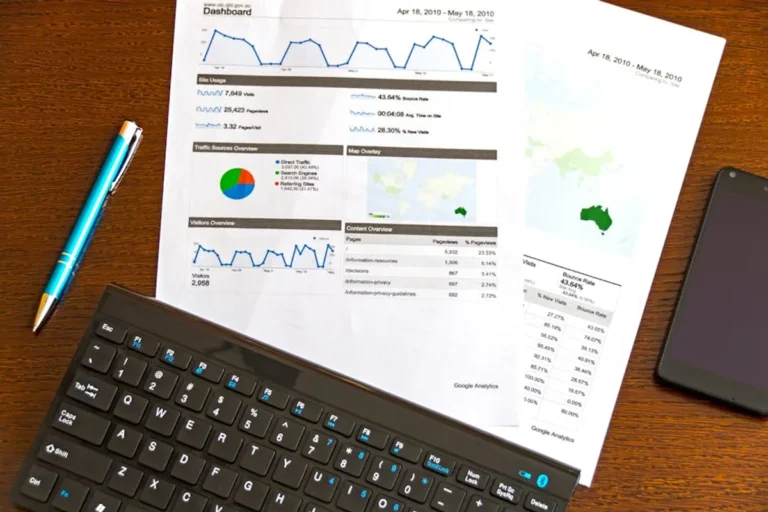

Fashionlamb, as a domain, appears to operate within the expansive fashion content landscape. Analyzing its search traffic profile offers a lens into its current market positioning, the types of fashion-related queries it addresses, and its potential for organic growth. Understanding how Fashionlamb structures its content and targets specific search intent is crucial for discerning its competitive advantage and long-term visibility in a crowded digital space.
What Fashionlamb Appears to Cover
Fashionlamb's content strategy likely revolves around providing detailed information within the fashion niche. Based on typical user queries suggested by its name and implied content, the site likely publishes articles that clarify "what a product is," such as deep dives into specific garment types, accessory categories, or textile innovations. This includes extensive coverage of product "features," detailing aspects like fabric composition, design elements, construction quality, and functional attributes of various fashion items. The site may also address consumer concerns around product authenticity, ethical sourcing, material safety, or brand integrity, which aligns with the broader interpretation of "safety" in fashion consumption. Furthermore, Fashionlamb likely engages in comparative analyses or "alternatives" guides, positioning different brands, styles, or product types against each other to aid consumer decision-making. This could manifest as articles comparing sustainable fashion brands, detailing different types of leather alternatives, or exploring various stylistic interpretations of a core garment.
Beyond product-centric content, Fashionlamb may also cover broader fashion topics. This includes seasonal trend reports, styling advice for different body types or occasions, historical perspectives on fashion movements, and profiles of emerging designers or established brands. The depth of these articles could range from introductory guides for newcomers to more nuanced discussions for fashion enthusiasts, indicating a varied approach to audience engagement and topic authority building.
Where Its Search Traffic May Come From
Fashionlamb's organic search traffic likely originates from a combination of specific and broad queries. A significant portion may stem from long-tail keywords related to product research, such as "best vegan leather handbags for work," "how to care for silk scarves," or "sustainable denim brands comparison." Branded searches for specific fashion labels, particularly those featured in comparative articles or product deep dives, could also drive traffic. Informational queries, like "what is haute couture" or "history of the trench coat," would attract users seeking knowledge rather than immediate purchase. The site's coverage of "alternatives" positions it well for commercial investigation queries, where users are actively evaluating options before making a decision. Furthermore, if the site incorporates strong visual content, image search could contribute, particularly for styling ideas or product aesthetics. Traffic patterns would likely show seasonality, aligning with fashion cycles, seasonal collections, and major shopping events.
Search Intent Behind Fashionlamb
The content strategy at Fashionlamb appears designed to capture several distinct types of search intent. Users with **informational intent** are likely seeking to understand fashion concepts, trends, product characteristics, or brand narratives. For example, someone searching "what is a capsule wardrobe" or "how to identify genuine leather" would find value in Fashionlamb's detailed explanations. **Commercial investigation intent** is highly relevant, as users researching "fashionlamb reviews" or "alternatives to fast fashion brands" are evaluating options before a potential purchase. These users are actively comparing features, weighing pros and cons, and seeking credible information to inform their buying decisions. While direct **transactional intent** is less common for a content site, the site's ability to satisfy commercial investigation queries positions it as a valuable pre-purchase resource. **Navigational intent** might be limited to users specifically looking for the Fashionlamb domain itself, suggesting a need for strong brand recognition if this is a target.
Why Traffic May Rise or Fall
Fashionlamb's organic traffic trajectory is influenced by several factors. A consistent rise in traffic could be attributed to the continuous publication of high-quality, in-depth content that directly addresses specific fashion queries and emerging trends. Building topical authority around distinct fashion niches, coupled with a robust internal linking structure, would further enhance visibility. Positive user engagement signals, such as extended time on page and low bounce rates, can also signal content value to search engines. Conversely, a decline in traffic might result from stagnant content that fails to keep pace with evolving fashion trends or user questions. Poor technical SEO, including slow loading times or a non-mobile-friendly experience, can negatively impact rankings. Algorithm updates that penalize thin content, keyword stuffing, or poor user experience would also lead to drops. Increased competition from larger fashion publishers, e-commerce giants, or niche blogs that offer more comprehensive or fresher content could also dilute Fashionlamb's search presence.
How the Site Could Improve Organic Visibility
To enhance its organic visibility, Fashionlamb could implement several strategic improvements. Expanding content depth by creating comprehensive topic clusters around key fashion categories would establish greater authority. For instance, instead of isolated articles, developing a hub on "sustainable fashion" with interlinked content on "eco-friendly materials," "ethical manufacturing processes," and "sustainable brand spotlights" would improve topical relevance. Refined keyword research should focus on long-tail, high-intent queries that demonstrate specific user needs, such as "breathable summer fabrics for sensitive skin" or "how to style oversized blazers." Optimizing user experience through faster page load times, intuitive navigation, and engaging visual assets (high-quality images, videos) can reduce bounce rates and increase time on site. A strategic internal linking plan would distribute link equity and guide users through related content, improving crawlability and user flow. Implementing structured data markup for articles, product information (if applicable), and FAQs could enhance SERP features, increasing click-through rates. Regular content audits to update outdated information, refresh statistics, and add new insights would maintain content freshness and relevance, signaling ongoing value to search engines. Finally, a targeted backlink acquisition strategy, focusing on editorial links from reputable fashion blogs, lifestyle publications, and industry resource sites, would bolster domain authority.
What to Check Before Trusting Traffic Estimates
When evaluating Fashionlamb's search performance, it is critical to approach publicly available traffic estimates with caution. These figures, often derived from third-party tools, are approximations based on various data points and algorithms, not direct analytics. Factors such as the specific keywords tracked, the accuracy of competitor modeling, and the inherent limitations of external data sources can lead to discrepancies. Furthermore, traffic estimates rarely account for the nuances of specific SERP features (like featured snippets, image packs, or local packs) that can significantly impact visibility and click-through rates without necessarily altering estimated ranking positions. Seasonal trends in the fashion industry, which can cause natural fluctuations in search volume, may also skew generalized estimates if not properly contextualized. The most reliable assessment of a domain's actual organic traffic, user behavior, and conversion metrics can only be obtained through direct access to its analytics platforms.
Frequently Asked Questions About Fashionlamb's Content Profile
What kind of content does Fashionlamb typically publish?
Fashionlamb likely publishes detailed articles focusing on product characteristics, material science, styling guides, trend analyses, brand profiles, and comparisons of fashion items or brands, often addressing specific "what it is" and "features" inquiries.
How does Fashionlamb address user concerns about product authenticity or quality?
The site appears to cover topics related to product "safety" by providing information on material sourcing, ethical manufacturing practices, brand reputation, and guidance on identifying genuine versus counterfeit items, aiming to inform consumer decisions.
What types of search queries is Fashionlamb likely to attract?
Fashionlamb is likely to attract a blend of informational queries (e.g., "what is sustainable fashion"), commercial investigation queries (e.g., "best alternatives to leather jackets"), and specific product or brand-related long-tail searches.
How might Fashionlamb differentiate its content from other fashion sites?
Fashionlamb could differentiate itself by offering exceptionally detailed product breakdowns, unique comparative analyses of "alternatives," a strong focus on ethical or sustainable fashion aspects, or by cultivating a distinctive editorial voice that provides unique insights beyond surface-level trends.